




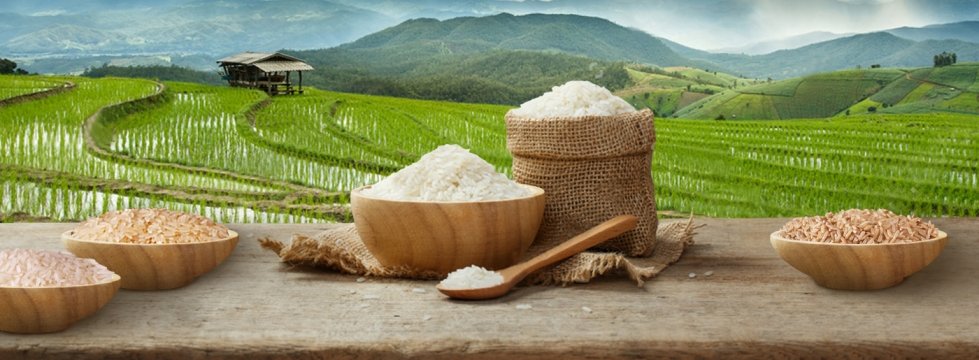
Value and uses of rice
Rice is an essential component of a proper diet for people in developed countries. In fact, many of them said in response to a question that they prefer it to both meat and fish!
Rice has been shown to provide 27% of their energy requirements and is the main food for:
- 20 countries in Asia
- 9 countries in the Americas and
- 8 countries in Africa
It contains proteins of low biological value as well as simple and complex carbohydrates. It is gluten-free and can therefore be consumed by people with intolerance.
Nutritional value
Rice is rich in B vitamins such as niacin, thiamine, riboflavin and selenium. It is one of the few foods that does not cause allergies, is easily digestible and can be eaten by everyone because it is free of cholesterol, salt and fat.
Types of Rice:
- Bonnet – yellow rice suitable for any of your recipes
- Carolina – White medium grain suitable for spilled pilaf.
- Nyhaki – White with a crispy seed special for pilaf, stuffed and rice salads
- Glazed – White rice with a nice aroma, ideal for thick soups and rice pudding
- Brown Rice – Yellow paddy rice, ideal for many recipes and ten times more vitamins and nutritional value.